Home electrical repairs
A repair starts with finding out why something failed. A breaker that trips is protecting a circuit from something. A dead outlet usually has a loose connection upstream, or a GFCI somewhere else in the house has tripped. A light that flickers might be a dimmer that cannot handle LEDs, a loose neutral, or a fixture on its way out. We test rather than guess, then replace only what needs replacing.
What it includes
- Breakers that trip, will not reset, or feel loose
- Outlets and switches that are dead, intermittent, warm or damaged
- Lights that flicker, buzz or dim when appliances start
- Bathroom and kitchen exhaust fans that have failed or are noisy
- Smoke and carbon monoxide alarm replacement, including interconnected alarms
- Doorbell transformers, broken fixtures and damaged cable from renovations
When you need it
Any device that is warm, discoloured or smells hot. A breaker that trips more than once. Anything that stopped working after a renovation, a storm or a new appliance. Alarms that are chirping, or older than the replacement date printed on their back.
What changes the price
How many devices are on the circuit, whether the fault is at a device or inside a wall, how easy the panel and the boxes are to reach, and the age and type of the wiring. We tell you the likely range before we start and confirm it once the cause is found.
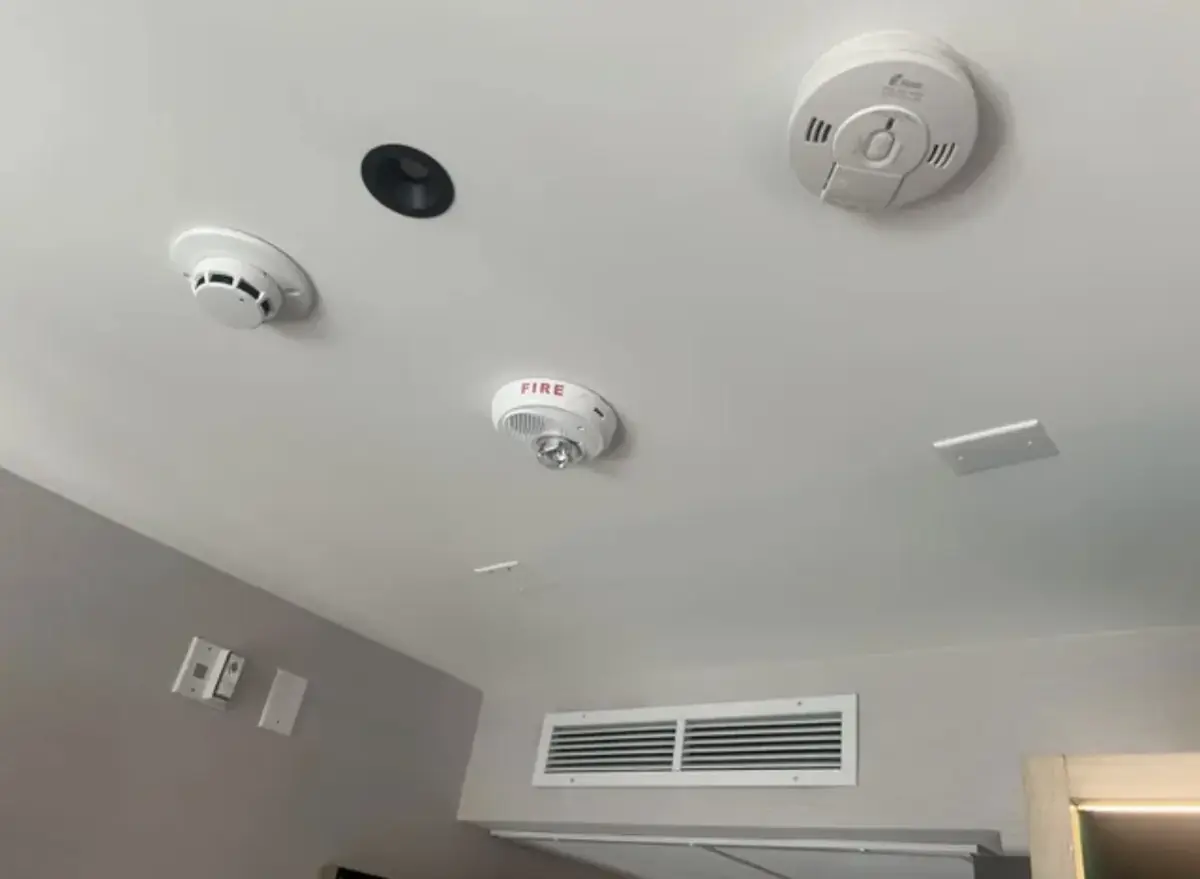
If something is burning, sparking or smoking
Switch the main breaker off if you can reach it safely and call 911 if there is any sign of fire. Do not keep resetting a breaker that trips; each reset makes the fault harder to find and can damage the breaker.
Lights and ceiling fixtures
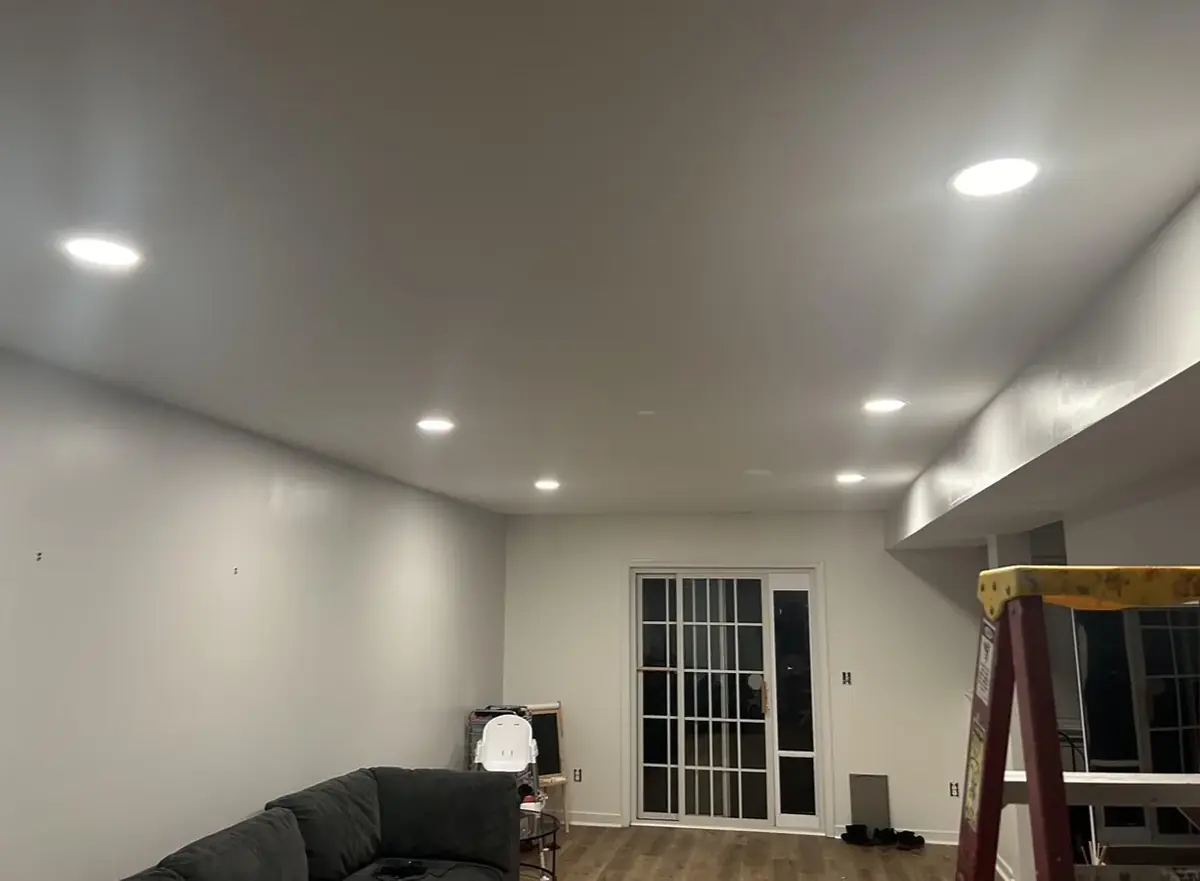
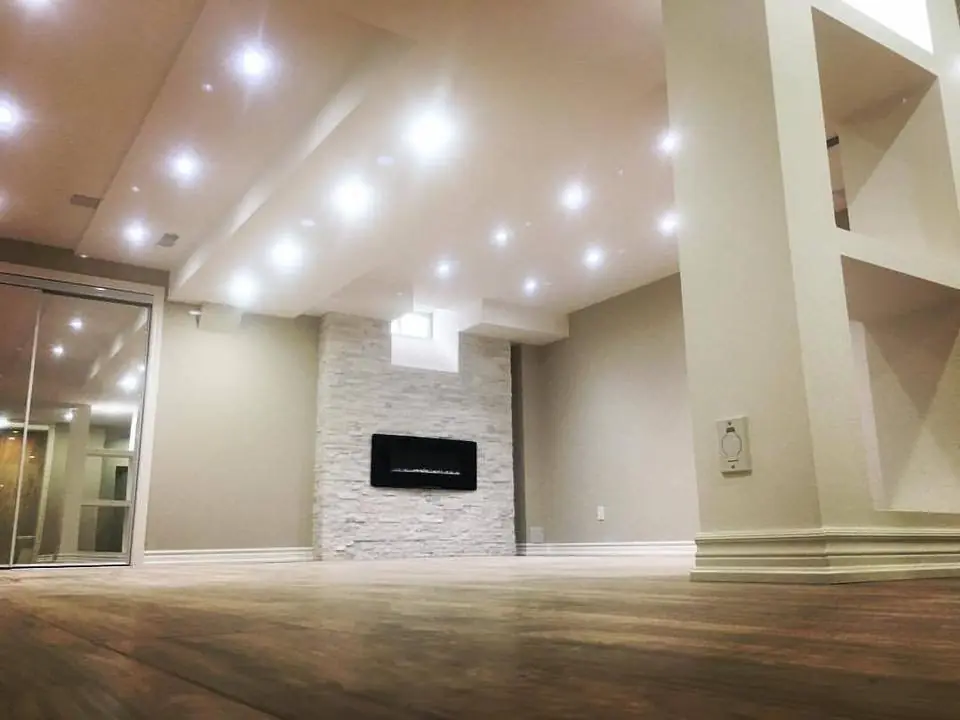
Lighting is where most of the photographs on this site come from, because it is the work homeowners notice. A good pot light layout lights the room evenly and leaves the walls free; a bad one leaves dark corners and glare on the television. We plan the layout and the switching with you before anything is cut.
Pot lights and recessed lighting
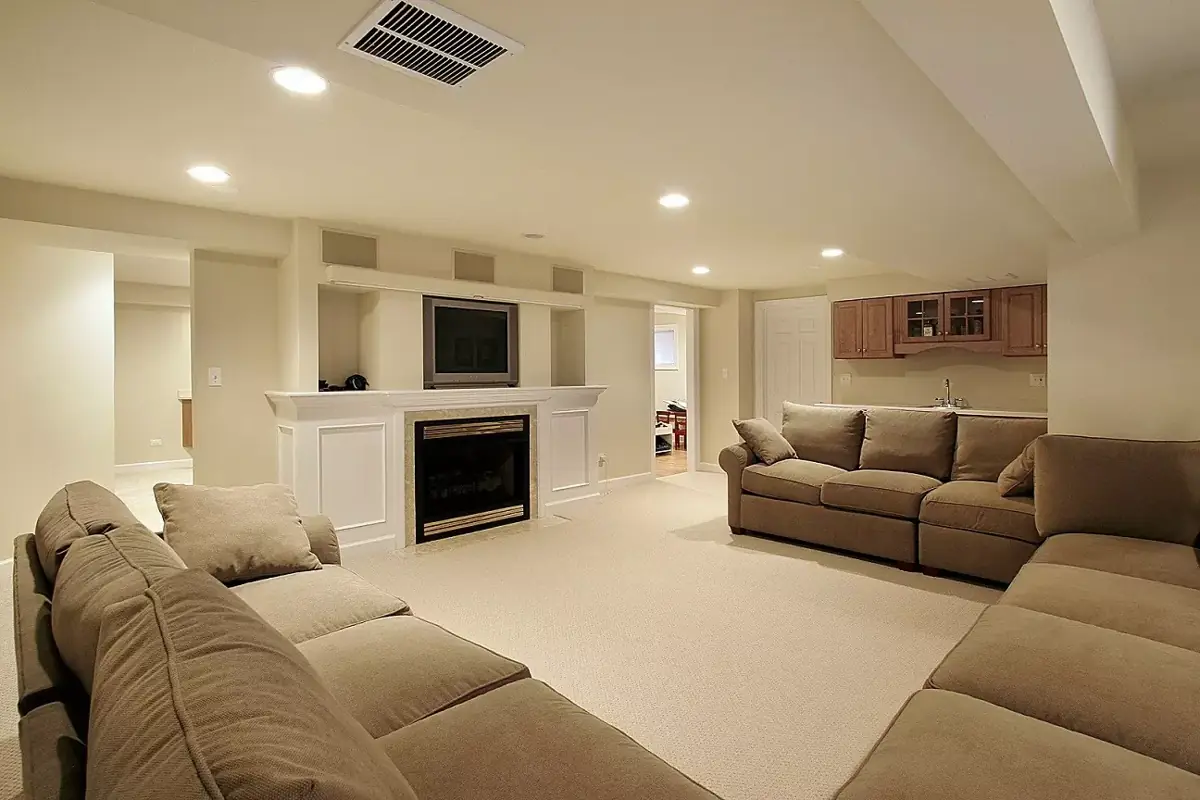
In an unfinished basement the ceiling is open and the work is straightforward. In a finished ceiling we cut the openings, fish cable between them, sometimes through a small access hole that is patched afterwards, and fit IC-rated housings wherever there is insulation above. Dimmers are matched to the lights so they do not flicker at low settings.
Ceiling fixtures, fans and pendants
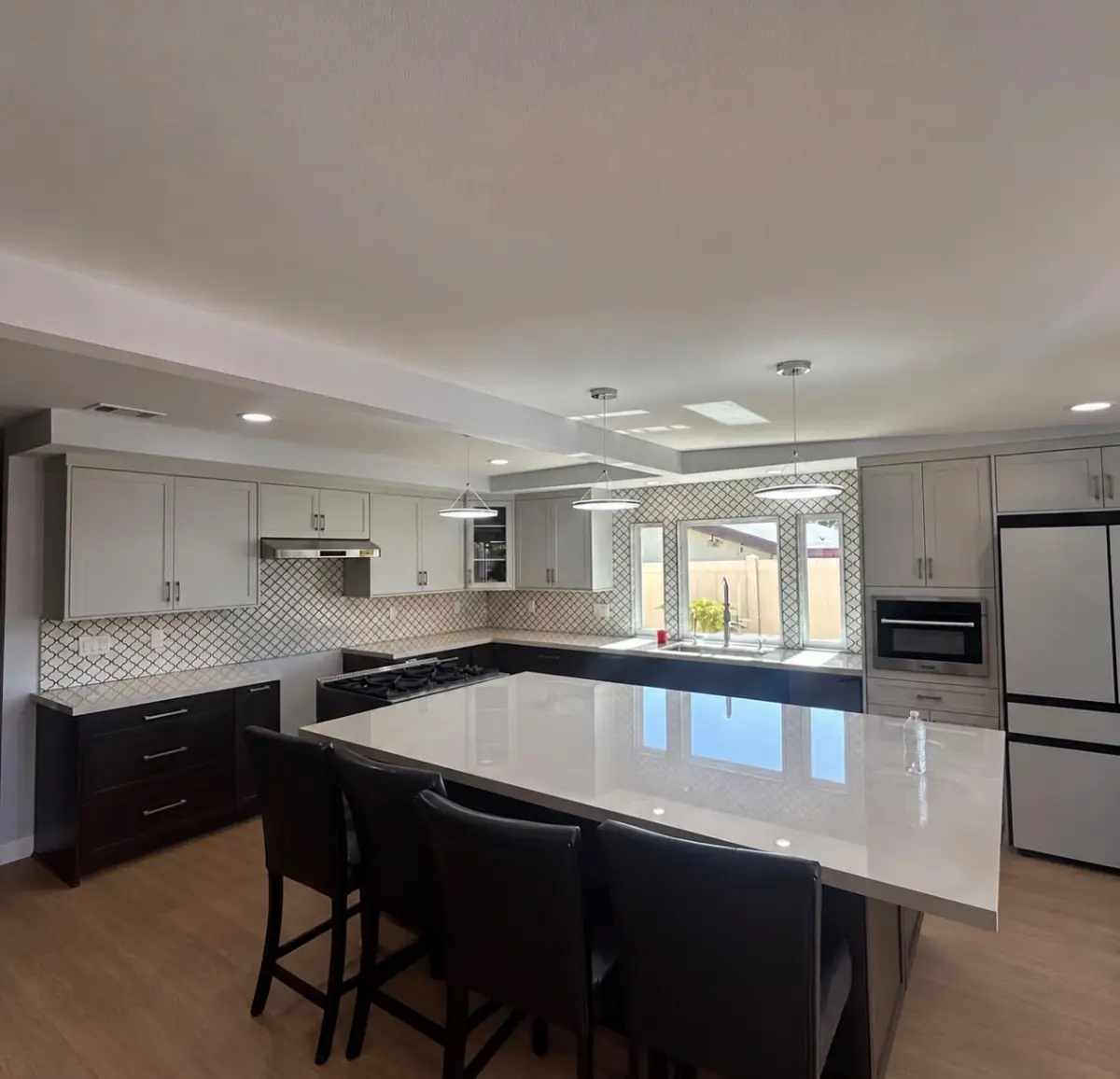
Replacing a fixture you have bought, adding a fixture where there is only a switch, hanging pendants over an island, or fitting a ceiling fan. A fan or a heavy chandelier needs a ceiling box rated for the weight, which is the first thing we check.
Outdoor and patio lighting
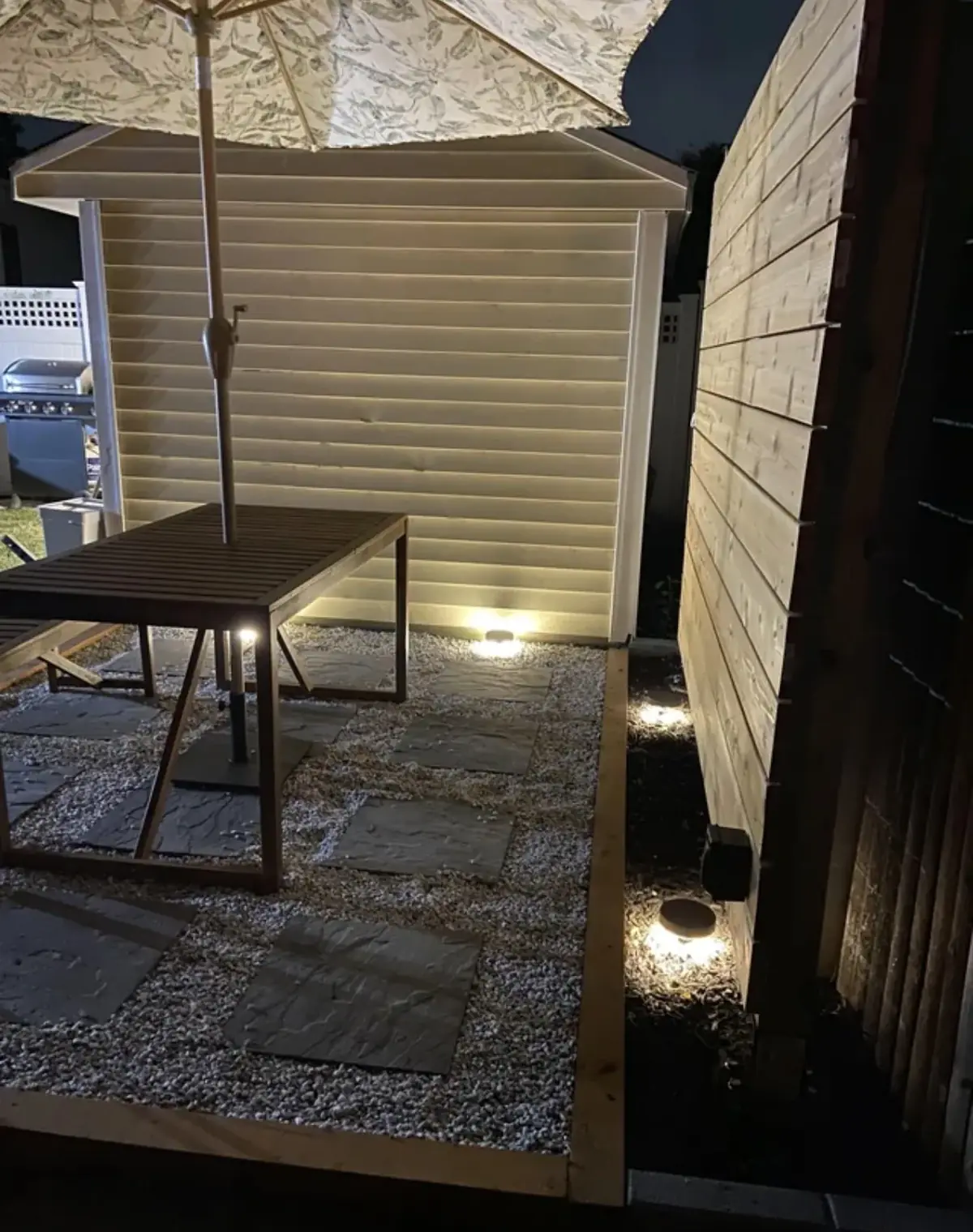
Wet-location fixtures by doors and on the garage, low-level lights along steps and paths, and low-voltage systems on a transformer. Outdoor circuits get GFCI protection and weatherproof boxes, and timers or photocells where you want them.
What changes the price
The number of fixtures, whether the ceiling is open or finished, the switching layout you want (one switch, several, or dimmers), and whether the existing circuit has room or a new one is needed.
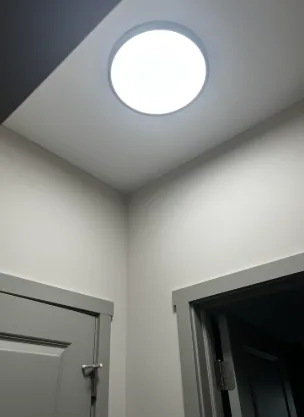
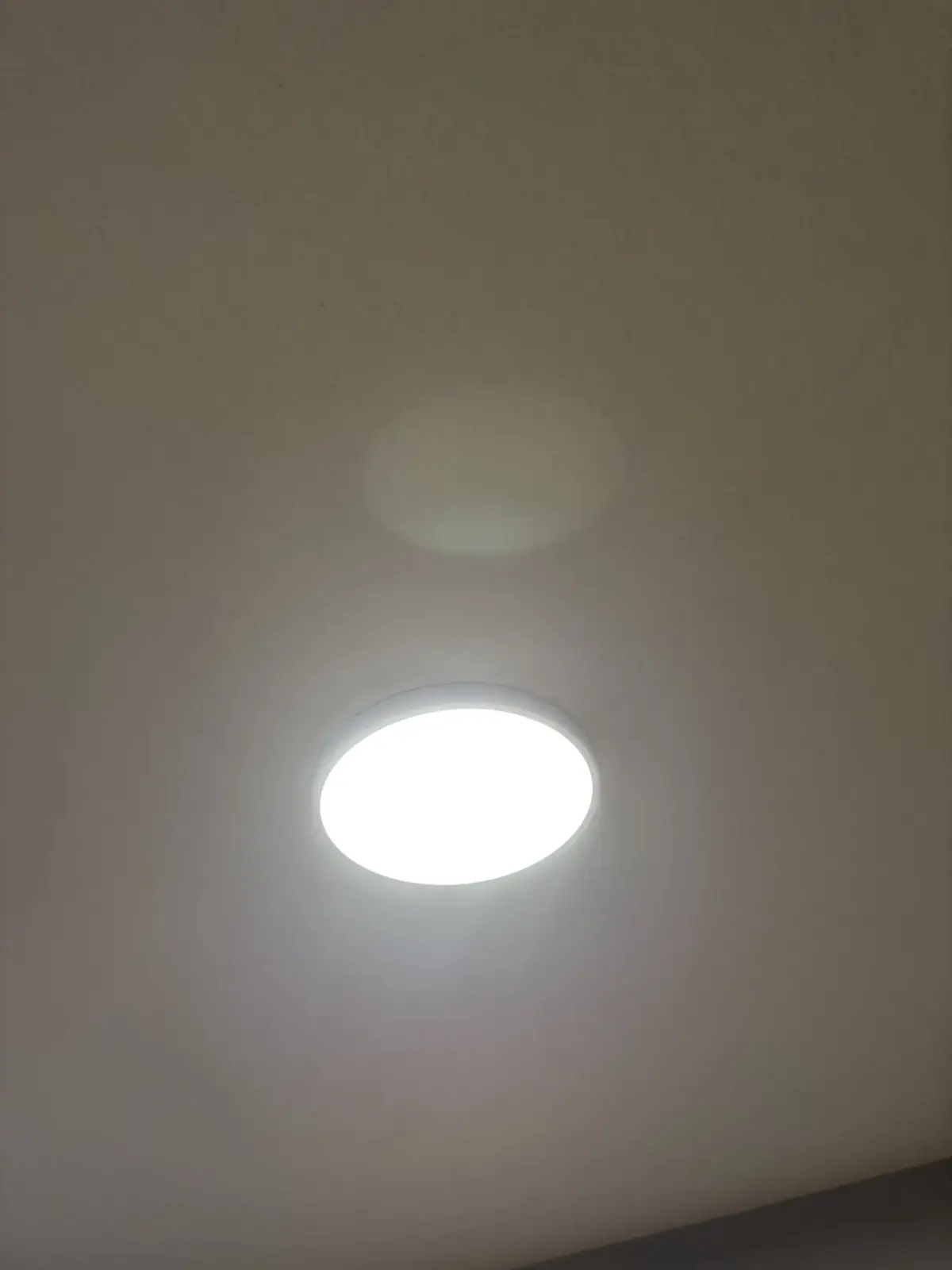
Flush mounts for low ceilings
Where a hanging fixture would be in the way, a flush-mount LED gives plenty of light with almost no depth. They suit hallways, closets, laundry rooms and basements with low ceilings.
Outlets and switches
Outlets wear out. The spring contacts loosen, plugs fall out, and a loose plug is a warm plug. Switches wear too, and older houses often simply never had enough outlets for how rooms are used now. This is small, quick work that makes a house safer and more convenient.
What it includes
- Replacing worn, damaged or discoloured outlets and switches
- Adding outlets for desks, workbenches, kitchen counters and bedside tables
- GFCI protection in kitchens, bathrooms, garages, unfinished basements and outdoors
- Tamper-resistant receptacles, USB outlets and dimmers
- Three-way and four-way switching for stairs, hallways and large rooms
- Dedicated circuits for microwaves, window air conditioners, freezers and sump pumps
- Outdoor outlets with weatherproof covers
When you need it
Plugs that fall out. Any outlet that is warm, cracked or buzzing. Two-prong outlets that you use for three-prong cords. Extension cords that have become permanent. Outlets near a sink without GFCI protection.
What changes the price
Replacing a device is quick. Adding one depends on the distance to the nearest circuit with room, whether the wall is finished, and whether the new load needs its own circuit from the panel.
Aluminum wiring
Some North York houses from the late 1960s and early 1970s have aluminum branch wiring. It is not a reason to panic, but outlets and switches on it need devices rated for aluminum or the right connectors to copper pigtails. If we find it, we tell you and use the correct parts.
Panel consultations
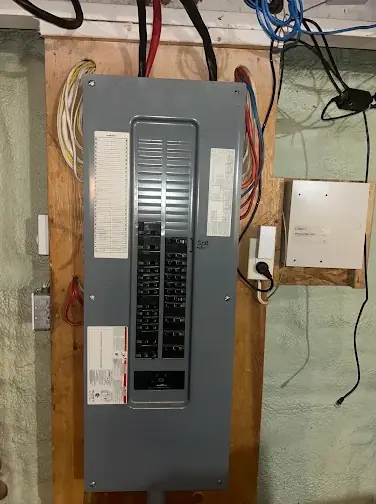
A panel consultation is a visit to look at your electrical panel and tell you, in writing, what you have and whether anything needs attention. It is not a sales call for a new panel. Often the answer is that the panel is fine for now, and that is a useful thing to know before you spend money elsewhere.
What we look at
- Service size and panel capacity against what you plan to add: an EV charger, a heat pump, an induction range, a hot tub or a basement suite
- Condition with the cover off: heat marks, double-tapped breakers, corrosion, loose terminations
- Breaker types and sizes against the wiring they protect
- Whether the directory matches what is actually connected, and labelling it if not
- Grounding and bonding
When to ask for one
Before buying or selling a house. Before adding a large electric load. When breakers trip whenever two big appliances run at once. When a home inspector has flagged the panel. When the panel is full of tandem breakers and you are not sure why.
What happens next
Sometimes nothing. Sometimes a subpanel solves a space problem without a service change. Sometimes the service itself needs upgrading, which involves an ESA notification and inspection and a scheduled disconnect and reconnect with Toronto Hydro. If the consultation leads to work, that work is quoted separately, in writing.
Bring the facts, not the panel
Do not take the cover off yourself. What helps is a photo of the panel with the cover on, a note of which breakers trip, and a list of what you are thinking of adding. We do the rest on site.
EV charging
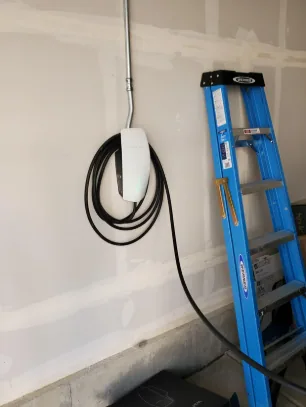
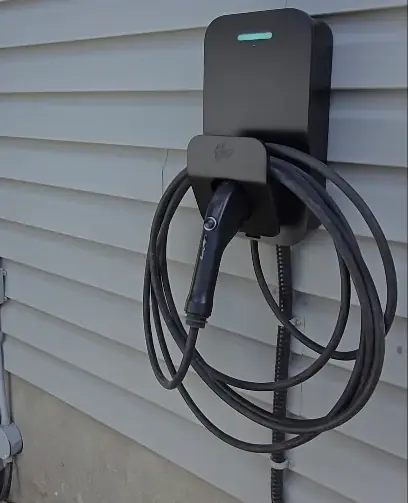
A Level 2 charger runs on its own 240 V circuit, usually between 40 A and 60 A depending on the charger. The job is a load calculation to confirm your service can carry it, a new breaker and circuit to the parking spot, mounting and connecting the charger, and the ESA notification and inspection.
Is your house suitable?
Most 200 A services can take a charger without other changes. Many 100 A services can too, depending on what else in the house is electric; some need a load-management device, which lets the charger share capacity safely, and some need a service upgrade first. A 60 A service generally cannot. We tell you which situation you are in before quoting, not after.
Where the charger goes
An attached garage is the simplest case. A driveway charger needs a weatherproof unit and an outdoor-rated run. A detached garage may mean trenching. Condo and townhouse parking depends on the building's electrical layout and the corporation's approval, and we will say plainly when it is not realistic.
What changes the price
Distance from the panel to the parking spot, whether the run is inside, outside or underground, the charger's rated current, and whether a load-management device is needed.
More recent work
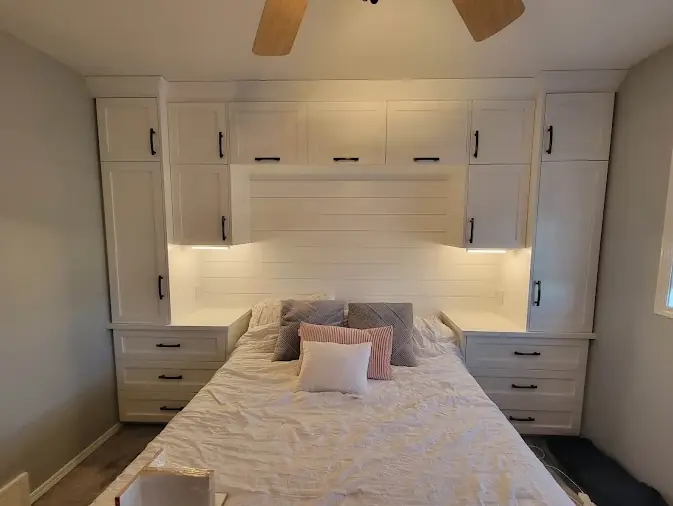
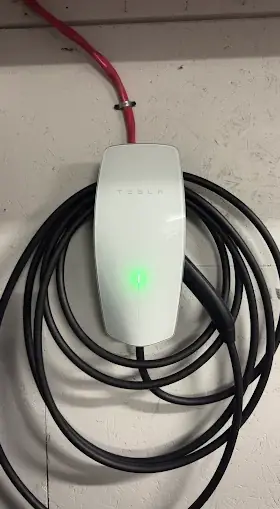
A few more photographs of our work: lighting, a panel and EV chargers, shown as they were taken.
Not sure which of these you need?
Describe what is happening, or what you want done, and where. That is enough for us to tell you what is involved.
Contact us