The steps
You tell us what is going on
A sentence or two about the problem or the project, the neighbourhood, and a photo if you have one. For panel questions, a photo of the panel with the cover on is enough; please do not remove the cover.
We ask a few questions
Which rooms or circuits, since when, what was running when it happened, what else is electric in the house. For lighting, how the room is used and where the furniture sits. This is how we avoid quoting for the wrong thing.
Scope and price in writing
Small repairs are usually priced from your description. Larger jobs get a visit first. Either way you receive a written scope: what is included, what is not, what would change the price, and whether an ESA notification is part of it.
Booking
We agree a date and an arrival window. If something changes on our side, you hear from us before the window, not after it. For service upgrades, the Toronto Hydro disconnect sets the date.
On the day
Floors and furniture are protected before any cutting. We tell you when power will be off and for roughly how long. If we find something unexpected inside a wall or a panel, we stop, show you, and agree what to do before going further.
Testing, inspection and clean-up
Every circuit we touched is tested under load. Devices and the panel directory are labelled. Dust is vacuumed and offcuts are removed. Where the work requires it, the ESA inspection is arranged and the result is passed on to you. The invoice follows the written scope.
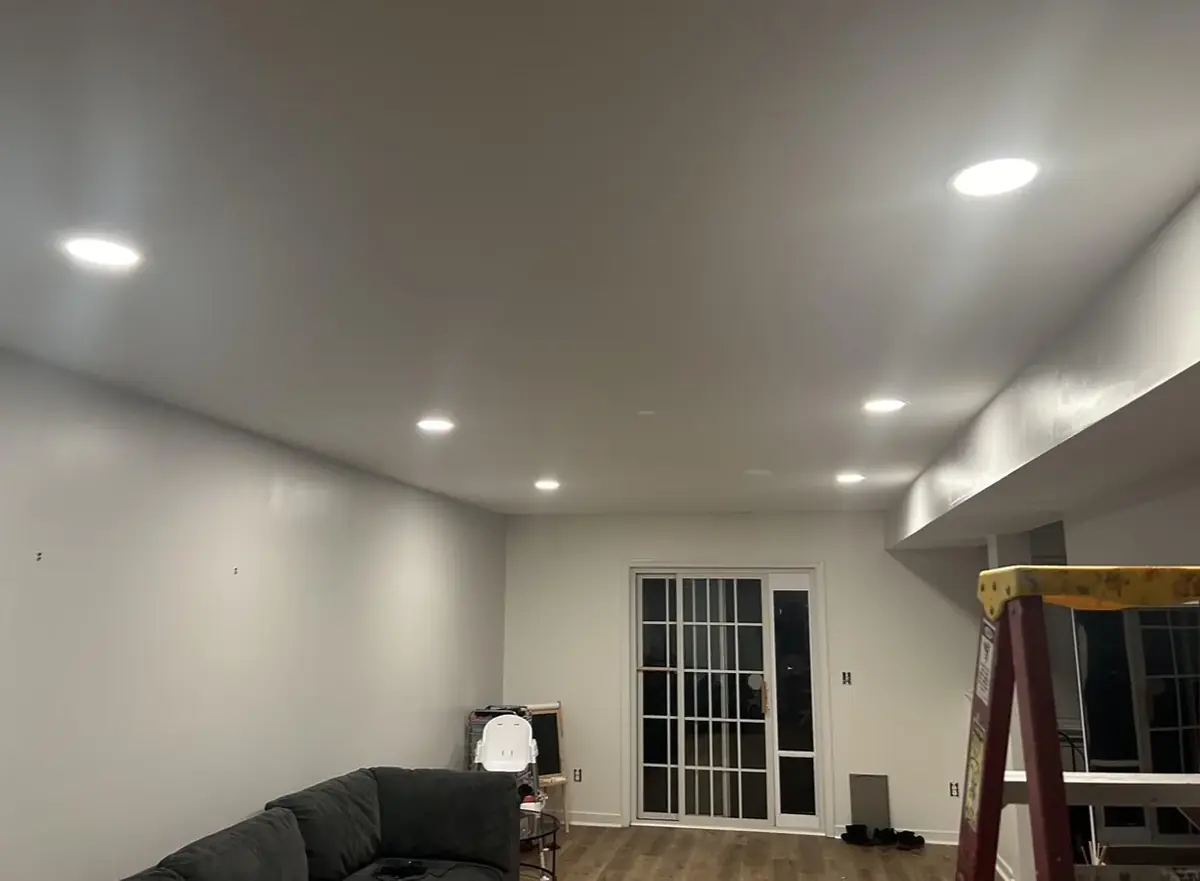
What helps before we arrive
- Leave a tripping breaker off and leave it alone.
- Note what was running when the problem started.
- Clear about a metre in front of the panel.
- Have any fixture you bought on site, with its hardware.
- For EV chargers, know the model you have chosen, or tell us you have not.
ESA notifications and inspections, explained
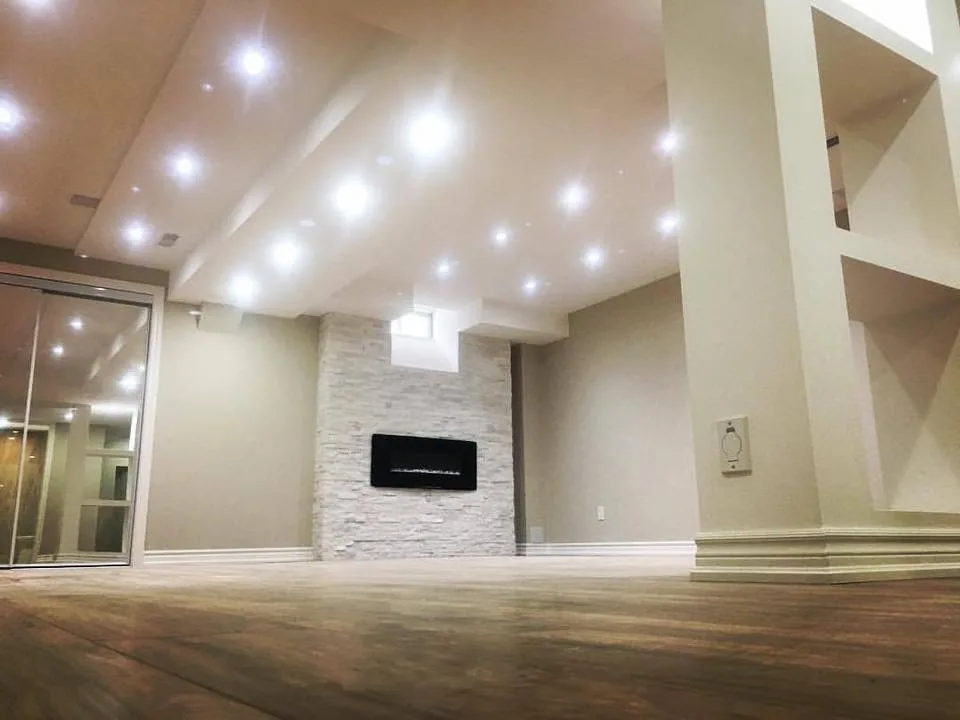
The Electrical Safety Authority (ESA) regulates electrical work in Ontario. Most work beyond replacing a device with a like-for-like one must be reported to the ESA with a notification, and the ESA then inspects it. New circuits, pot light installations with new wiring, EV charger circuits, subpanels and service upgrades are all in that category.
The notification is filed by the contractor as part of the job. The inspection is a check that the work meets the Ontario Electrical Safety Code; it is not an extra you choose. When a quote from anyone leaves it out for work that needs it, ask why.
Where Toronto Hydro comes in
Toronto Hydro supplies North York. A service upgrade (for example from 100 A to 200 A) needs the utility to disconnect at the street or pole and reconnect after the ESA inspection, so that date is booked in advance and sets the day of the work. Ordinary repairs and lighting jobs do not involve the utility at all.
When things take longer
Jobs run over for predictable reasons: wiring that is not what it appeared to be, a ceiling with more in it than expected, parts that are not on the truck. We say so as soon as we know, and we do not finish early by skipping the testing.
Ready to start?
Describe the problem or the project and the neighbourhood. We will come back with questions or a scope.
Contact us